

In today’s digital world, learning the Quran has become more accessible than ever before. Whether you are a beginner, a parent looking for Quran learning for kids, or an adult returning to Islamic learning after many years, online education offers flexibility and convenience without compromising quality.
With so many apps, recorded lessons, and live classes available, many learners struggle to choose the right path and wonder which method will help them make steady and accurate progress.
However, many learners still ask questions like: What’s the best way to learn Quran online? How do I start learning Quran online? Can I learn Quran online by myself? The answer depends on choosing the right learning method, following a structured plan, and staying consistent.
This guide shares the best way to learn Quran online through 12 practical steps that will help you build a strong foundation, improve Quran pronunciation, master Tajweed rules, and develop lifelong learning habits.
What Is the Best Way to Learn Quran Online?
The best way to learn Quran online is by combining a qualified Quran teacher, structured lessons, regular daily practice, and proper Tajweed instruction. A step-by-step approach with personalized guidance helps beginners and advanced learners improve their Quran recitation while staying motivated and consistent.
While many people try to learn through videos or apps alone, having expert feedback and a clear study plan can make learning more accurate and effective. Consistent practice and proper correction of mistakes help build confidence and develop strong recitation skills over time.
Why Learning the Quran Online Has Become So Popular
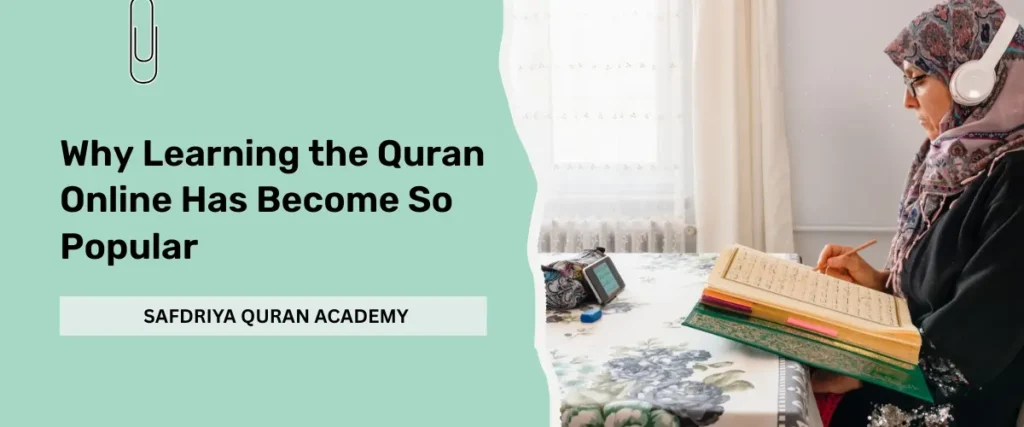
Millions of Muslims now prefer Quran learning online because it offers flexibility, personalized instruction, and access to qualified teachers from anywhere in the world. It also allows students to learn Quran from home while fitting lessons around work, school, and family commitments.
Some of the biggest advantages include:
- Learning from home in a comfortable and distraction-free environment.
- Access to experienced and certified Quran teachers for accurate guidance.
- Flexible Quran classes that fit busy schedules.
- One-on-one Quran classes tailored to individual learning needs.
- Better opportunities for Quran learning for both adults and children.
- Availability of live Quran classes across different time zones.
With the right online Quran academy or online Quran tutor, students can make steady progress through structured lessons and consistent practice without sacrificing other responsibilities.
Step 1 - Set a Clear Intention and Learning Goal
Every successful Quran learning journey begins with a sincere intention (niyyah) and a well-defined goal. Before you start, ask yourself what you want to achieve and create a realistic plan to stay motivated.
Your goals may include:
- Learning to read the Quran fluently from the beginning.
- Improving Tajweed and Quran pronunciation.
- Memorizing selected Surahs or chapters.
- Completing the Quran with confidence.
- Beginning Quran memorization online through a structured approach.
Having clear objectives makes it easier to measure progress and stay committed, especially when learning Quran online from home.
Step 2 - Learn the Arabic Alphabet and Basic Pronunciation
If you’re a beginner, mastering the Arabic alphabet is one of the most important first steps. Understanding how each letter is pronounced correctly helps prevent mistakes that can become difficult to fix later.
Focus on:
- Recognizing every Arabic letter.
- Learning correct articulation points.
- Understanding basic vowel sounds.
- Practicing accurate Quran pronunciation.
Building this foundation will make it much easier to learn Quran online effectively and move on to more advanced lessons. After mastering the Arabic alphabet, the next goal is to learn to read the Quran correctly with confidence and proper pronunciation.
Step 3 - Start with Noorani Qaida Before Reading the Quran
Many qualified teachers recommend starting with Noorani Qaida because it introduces the building blocks of Quran reading in a simple and structured way. Skipping this stage can make recitation more difficult for beginners.
Studying Noorani Qaida helps you:
- Understand Arabic letter combinations.
- Read words more confidently.
- Improve pronunciation before full Quran recitation.
- Build habits that support learning Quran with Tajweed.
If you’re wondering why this step matters, take a look at our guide on why learning Noorani Qaida is important to understand how it builds a strong foundation for Quran reading. For learners who prefer structured instruction, our Noorani Qaida course offers step-by-step guidance, and if you’d like extra practice at your own pace, you can also use our free Noorani Qaida YouTube playlist to reinforce the basics before moving on to full Quran recitation.
Step 4 - Choose a Qualified Online Quran Teacher
While self-study has its benefits, learning with an experienced teacher can significantly improve your progress. A knowledgeable instructor provides immediate feedback and helps you avoid repeating mistakes.
Look for a Quran teacher who can:
- Explain Tajweed rules clearly.
- Correct pronunciation with patience.
- Adapt lessons to your learning pace.
- Encourage regular practice and revision.
- Provide constructive feedback after each session.
Learning Quran online with a qualified teacher often leads to faster and more accurate improvement.
Step 5 - Enroll in a Structured Online Quran Course
Many beginners struggle because they jump between random videos, apps, and articles without a clear plan. A structured online Quran course offers an organized curriculum that builds knowledge gradually.
An effective course should include:
- Beginner Quran lessons.
- Quran reading lessons in sequence.
- Tajweed classes online.
- Regular progress checks.
- Personalized feedback and guidance.
Following a structured path is one of the best ways to study Quran online without confusion. If you want a clear curriculum instead of scattered resources, following a structured Quran reading course can help you progress step by step.
Step 6 - Create a Daily Quran Learning Routine
Consistency is often more important than studying for long hours once in a while. Even 20 to 30 minutes of focused daily Quran practice can produce excellent long-term results.
To build a sustainable routine:
- Study at the same time each day.
- Review previous lessons before learning new ones.
- Set achievable weekly goals.
- Minimize distractions during study.
- Keep track of your progress.
Small daily improvements can lead to remarkable growth over time.
Step 7 - Learn Quran with Proper Tajweed
Learning Quran with Tajweed ensures that every word is recited with the correct pronunciation and rules. It also helps preserve the beauty and accuracy of Quran recitation.
Pay special attention to:
- Letter articulation.
- Elongation (Madd) rules.
- Proper stopping and starting points.
- Common pronunciation mistakes.
Practicing under the supervision of a qualified teacher can help correct errors before they become habits. Students who want focused pronunciation training often benefit from learning Quran with proper Tajweed through dedicated lessons and regular feedback.
Step 8 - Practice Reading the Quran Out Loud
Reading silently is useful, but reading aloud allows you to hear your own pronunciation and receive valuable corrections from a teacher. This habit improves fluency and builds confidence over time.
Regular oral practice can help you:
- Strengthen pronunciation.
- Increase reading fluency.
- Build confidence during recitation.
- Remember teacher corrections more effectively.
Some learners also find it helpful to record themselves occasionally and compare their recitation over time.
Step 9 - Revise Previous Lessons Consistently
One common mistake is focusing only on new lessons while forgetting earlier material. Revision strengthens memory and reinforces proper reading habits.
Make time to regularly review:
- Previously learned Surahs.
- Tajweed exercises.
- Vocabulary and pronunciation drills.
- Earlier reading assignments.
Frequent revision transforms short-term learning into long-term retention.
Step 10 - Use Technology and Digital Learning Tools Wisely
Modern technology can make Quran learning more engaging and convenient when used alongside qualified instruction. However, digital tools should support your learning rather than replace expert guidance.
Useful resources include:
- Virtual Quran lessons.
- Interactive reading platforms.
- Live video sessions with teachers.
- Audio recordings for pronunciation practice.
- Digital Mushaf applications for review.
Choosing reliable resources can make learning more flexible and accessible.
Step 11 - Stay Patient, Motivated, and Consistent
Learning the Quran is a gradual process, and every student progresses at a different pace. Avoid comparing yourself with others and focus on steady improvement instead.
Stay motivated by:
- Celebrating small milestones.
- Setting realistic expectations.
- Practicing consistently.
- Seeking encouragement from teachers and family members.
Patience and perseverance are often the keys to long-term success.
Step 12 - Track Your Progress and Keep Improving
Monitoring your progress helps you stay accountable and identify areas that need additional practice. It also keeps motivation high by showing how much you have already accomplished.
You can track:
- Reading fluency.
- Tajweed accuracy.
- Completed lessons.
- Memorized Surahs.
- Confidence during recitation.
Reviewing your progress regularly allows you to adjust your study plan and continue improving with confidence.
Should You Learn the Quran Online by Yourself or with a Teacher?
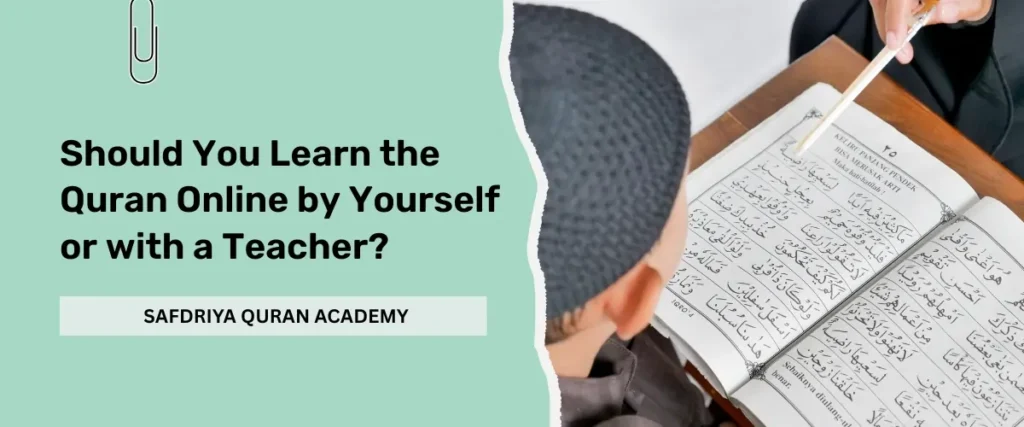
Many beginners wonder whether they should study the Quran independently or learn with a qualified instructor. While self-study offers flexibility and allows you to learn at your own pace, it may not be the best option for everyone especially when it comes to mastering Quran pronunciation and Tajweed.
Learning on your own can work for reviewing familiar material or using educational resources, but beginners often find it difficult to identify and correct mistakes without expert feedback. This can slow progress and lead to habits that are harder to fix later.
On the other hand, learning with a qualified Quran teacher provides several important advantages:
- Immediate correction: Mistakes in pronunciation and Tajweed are identified and corrected during lessons.
- Personalized instruction: Lessons can be adapted to your age, experience, and learning speed.
- Structured learning plan: A clear curriculum helps you progress step by step without confusion.
- Greater accountability: Scheduled classes encourage consistency and regular practice.
- Faster improvement: Ongoing guidance and feedback often help students build confidence and fluency more efficiently.
If your goal is to learn the Quran online effectively and develop strong recitation skills, studying with a knowledgeable teacher is generally the most reliable path. However, combining guided lessons with independent daily practice can provide the best long-term results.
Common Mistakes to Avoid When Learning Quran Online

Learning the Quran online can be highly effective, but certain mistakes can slow your progress and make it harder to develop accurate recitation skills. Being aware of these common pitfalls can help you stay on the right path and make your learning journey more rewarding.
Avoid these mistakes:
- Skipping Noorani Qaida and foundational lessons: Many beginners rush into reading the Quran without first mastering the basics. Building a strong foundation makes future learning much easier.
- Ignoring Tajweed rules: Correct pronunciation is essential for proper Quran recitation. Neglecting Tajweed can lead to mistakes that become difficult to correct later.
- Studying inconsistently: Irregular practice often slows progress. Even short daily sessions are more effective than studying occasionally for long periods.
- Choosing unqualified instructors: Learning from an experienced and knowledgeable teacher helps ensure you receive accurate guidance and constructive feedback.
- Memorizing without understanding pronunciation: Repeating verses incorrectly can reinforce mistakes. Focus on reading accurately before memorization.
- Relying only on recordings or apps without feedback: Digital resources are helpful, but they cannot always identify and correct pronunciation errors in real time.
- Expecting instant mastery: Learning the Quran takes patience, dedication, and continuous practice. Progress may be gradual, but consistency leads to lasting improvement.
Recognizing and avoiding these mistakes early can save months of frustration and help you learn the Quran online more effectively with confidence.
Conclusion
The best way to learn Quran online is not about rushing through lessons or relying on shortcuts. It is about following a clear, structured path with sincerity, consistency, and the right guidance. By starting with the Arabic alphabet and Noorani Qaida, learning with proper Tajweed, practicing regularly, and seeking feedback from a qualified teacher, you can build strong Quran reading skills and make steady progress over time. Adult learners who are starting later in life may also find this step-by-step guide for learning the Quran online helpful for building confidence and consistency.
Whether you are a complete beginner, a parent supporting your child, or an adult returning to Quran study, these 12 practical steps provide a reliable roadmap for success. Stay patient, celebrate small improvements, and make daily practice part of your routine. With dedication and the right learning approach, anyone can develop confidence in recitation and deepen their connection with the Quran.


